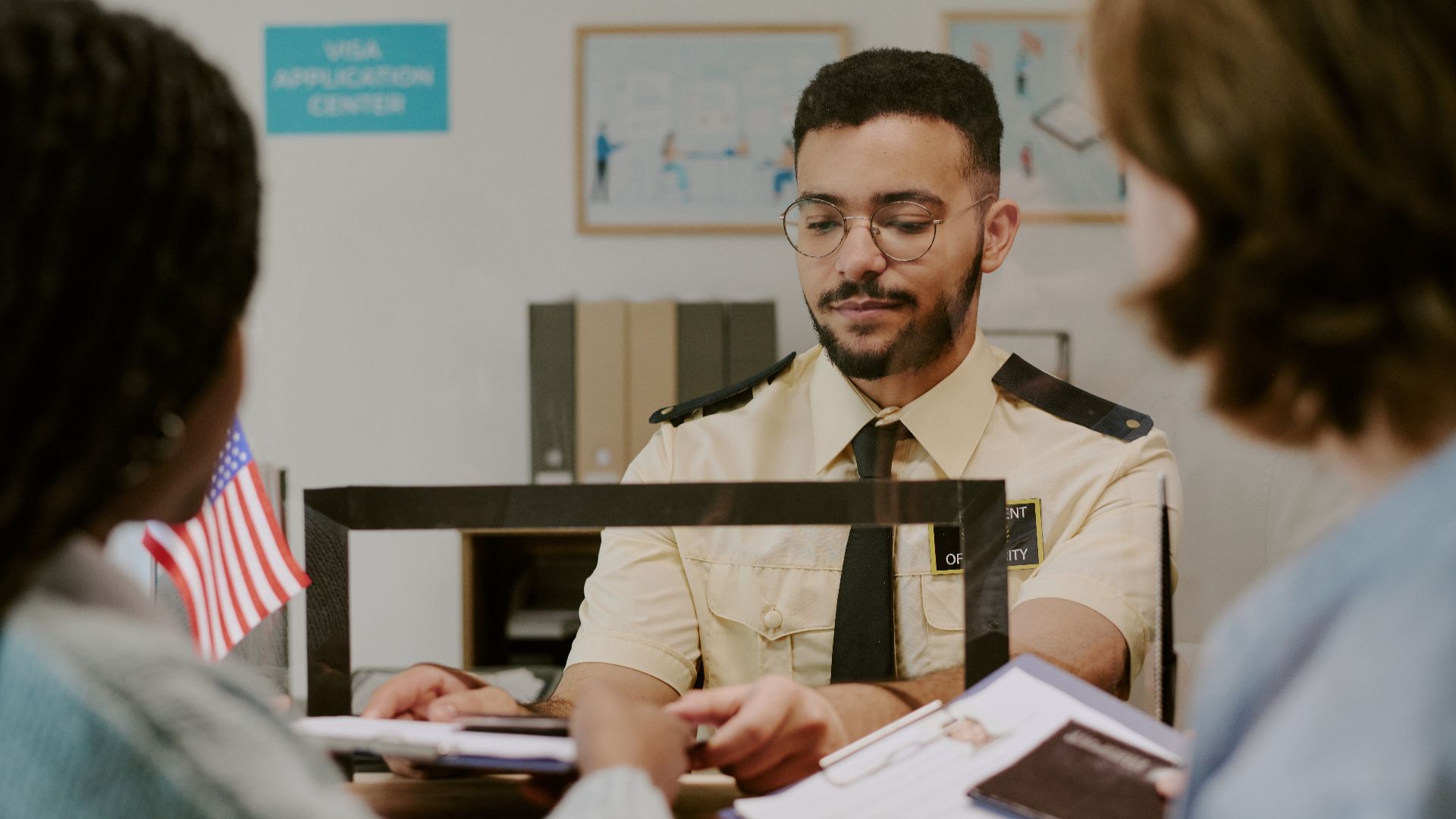

Travel bans have become one of the most challenging and confusing aspects of U.S. immigration law. When the federal government restricts entry into the United States, the effects can be immediate and severe. Families may be separated, approved visas may suddenly become unusable, and immigrants with lawful status can find themselves unable to return to the country. Because travel bans are often implemented through presidential proclamations or emergency authority, they frequently take effect with little warning.
Understanding how travel bans work and how they affect immigration cases is essential for anyone planning to travel to the United States or reunite with family members from abroad.
What Is a U.S. Travel Ban?
A U.S. travel ban is a legal restriction that limits or prohibits certain individuals from entering the country. These bans may be based on nationality, country of recent residence, public health concerns, or national security considerations. Unlike standard visa regulations, travel bans can override existing immigration approvals, meaning a person with a valid visa may still be denied entry.
Travel bans are often temporary but can be extended, modified, or replaced depending on political and global conditions. Because they are issued at the executive level, they can change quickly and without advance notice to visa holders.
How Travel Bans Affect Immigration Cases
Travel bans can disrupt immigration cases at nearly every stage of the process. Individuals waiting for visa interviews may experience cancellations or indefinite delays. Approved petitions may be placed on hold, and consular officers may refuse visas solely because a ban is in effect. Even travelers who have already received visas can be denied boarding or refused admission at a U.S. port of entry.
Family based immigration cases are especially vulnerable. Spouses, parents, and children of U.S. citizens and lawful permanent residents are often left waiting abroad while their cases remain stalled. Students, workers, and visitors may also be affected, particularly if they must travel internationally while a ban is in place.
Are There Exceptions to U.S. Travel Bans?
Many people assume travel bans apply to everyone equally, but that is not always the case. Some bans include exceptions for U.S. citizens and lawful permanent residents. In certain situations, immediate relatives of U.S. citizens may also qualify for an exemption.
Other travel bans allow for discretionary waivers. These waivers are typically granted only when an applicant can show compelling humanitarian reasons, extreme hardship to a qualifying U.S. relative, or a significant public benefit. Waiver decisions are highly discretionary, and approval often depends on how well the case is presented.
Can You Apply for a Waiver During a Travel Ban?
In some cases, a waiver application may be submitted as part of the visa process or requested after a refusal. However, not all travel bans permit waivers, and the standards for approval are high. Many waiver requests are denied because they lack sufficient evidence or fail to meet the specific legal criteria outlined in the proclamation.
Because waiver policies vary from one travel ban to another, legal guidance is critical before submitting a request. A poorly prepared waiver can delay a case further or negatively impact future immigration applications.
What to Do If a Travel Ban Affects You
If you believe a travel ban is preventing you or a family member from entering the United States, it is important not to assume your case is permanently denied. Each travel ban has unique rules, exceptions, and expiration dates. Taking action without understanding how the ban applies to your specific situation can result in unnecessary setbacks.
Consulting an immigration attorney before traveling, reapplying, or requesting a waiver can help protect your immigration record and long term goals.
How an Immigration Attorney Can Help With Travel Bans
Travel bans are complex and constantly evolving. An immigration attorney can determine whether a ban applies to your case, evaluate eligibility for an exception or waiver, and develop a strategy tailored to your circumstances. Legal counsel can also help communicate with U.S. consulates and immigration agencies when cases are delayed or refused due to a ban.
Professional guidance is especially important for families facing long separations or individuals with time sensitive immigration needs.
Get Legal Help for Travel Ban Immigration Issues
If a U.S. travel ban is affecting your immigration plans, experienced legal support can make a meaningful difference. Rebecca Black Law, P.A. helps individuals, families, and businesses navigate travel bans and other immigration barriers with clarity and care.
Contact Rebecca Black Law, P.A. to discuss your situation and explore your options under current U.S. immigration law.