

Fiancé Visa Lawyer

A K-1 fiancé visa allows a U.S. citizen to bring their foreign fiancé or fiancée to the United States so the couple can marry and begin their life together. At Rebecca Black Law, P.A., we guide couples through every step of the process—from preparing the initial petition to resolving issues that could delay or put the case at risk—so you can move forward with confidence and clarity.
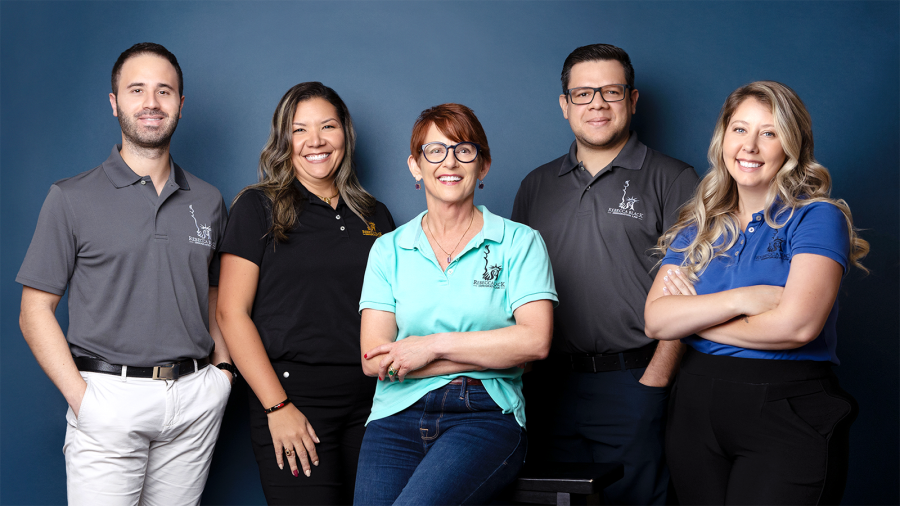
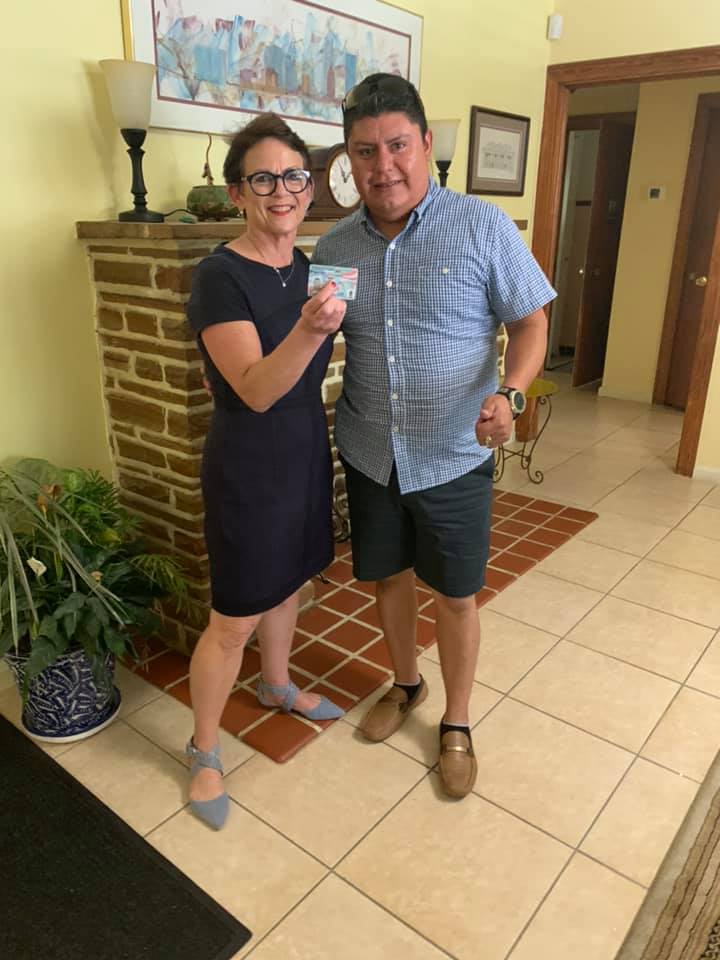
Rebecca Black Law group photo July 2023

At our immigration law firm, Rebecca Black and the team are dedicated to assisting you with all aspects of the complex U.S. immigration system, including green cards, naturalization, visas, refugees and asylum, deportation and removal.

Proven Success in Immigration Law

Applying for a fiancé visa is more than completing immigration forms. The couple must establish that they meet the legal requirements, document a genuine relationship, complete consular processing, and prepare for the visa interview. Missing evidence, inconsistent information, prior immigration violations, criminal history, or problems involving a previous marriage can make the process more difficult.

Rebecca Black Law, P.A. works with couples to develop a clear legal strategy before the petition is filed. We review the relationship history, confirm that both partners are legally eligible to marry, identify possible immigration concerns, and help assemble evidence that accurately presents the relationship. Careful preparation at the beginning can reduce the risk of avoidable delays, requests for additional evidence, or unexpected problems during the consular interview.

Our firm can assist with preparing and filing Form I-129F, organizing relationship evidence, responding to government requests, preparing the foreign fiancé for the embassy or consulate interview, and planning the next steps after entry into the United States. We also help clients understand how prior visa denials, unlawful presence, arrests, financial sponsorship concerns, or other sensitive issues may affect the case.

Every relationship and immigration history is different. Advice that applies to one couple may not be appropriate for another. By working with an experienced immigration attorney, you can better understand your options, avoid assumptions, and approach the K-1 process with a plan tailored to your circumstances. Contact Rebecca Black Law, P.A. to schedule a consultation and discuss the best path for bringing your fiancé to the United States.

Client Testimonials

CarlosAvvo Review
Rebecca, is the best lawyer I could contact in America, I have had experience hiring other lawyers, but with her, everything was different. She is excellent in her profession, she's honest, she is very punctual when it comes to appointments, she will not miss your word. Speaking as a Cuban, who hired her for my citizenship.
Abby KoellingFacebook
They are amazing! Always kind and courteous. Very helpful I live out of the state and they still do everything they can to help. The communication is something that is great. Whole staff are always willing to help. Can't say enough! Rebecca and her team of immigration lawyers are incredible would recommend them over anyone else. Thank you for being exceptional and for always fighting for immigration.
AndyAvvo Review
I have been in a binational relationship for 15 years. And married for 2 1/2 years. Once DOMA was over turned we searched for an immigration attorney to help with our case. Rebecca quickly researched everything we needed to know. She took the time to help us get ready for the process. After just 6 months I had my interview and was approved for my green card.
Emina RosesGoogle Review
Rebecca and her team have helped my personal family situation for the past four years and our case is finally (successfully) over. The four year length is due to the various prolonged timelines, no fault of the law firm; in these four years, Rebecca and her team have consistently and professionally ALWAYS had our best interest. We're forever grateful to Rebecca and Nersy.
Javier RosasGoogle Review
Went above and beyond to help me in my case, she and her team were always very cordial, professional and efficient. Thanks to their hard work and perseverance, I was able to finally obtain the peace of mind I have been yearning for many years. I highly recommend this great team to anyone who needs the help resolving their immigration case. Thank you Rebecca and for all the patience and kindness you showed me through out this whole long process.
Shume TessemaGoogle Review
I have been in this office to bring my wife from Ethiopia and I got a very good service every body was friendly and excellent customer service. Finally my wife is United States as Legal Permanent Resident. I Highly recommend this office. Thank you.
Don SitoGoogle Review
While our case was very complicated, Rebecca and her team helped ease us through this process. Lucette is our case manager and she was a dream come true. We were dealing with several countries and whenever we hit a roadblock Lucette persevered and led us down the correct path.

Get Help With Immigration

Send us a message today and our team will reach out to you.

Generic Contact Form

Contact Info

Call Us Today

Send a Fax

Write An Email

Fulfilling Immigration Needs Since 2006

Additional Information

A K-1 fiancé visa is a temporary visa available to the foreign fiancé or fiancée of a U.S. citizen. It allows the foreign partner to travel to the United States for the purpose of marrying the U.S. citizen who filed the petition. The marriage must take place within 90 days of the foreign fiancé’s admission to the United States. Lawful permanent residents cannot petition for a fiancé visa. A green card holder generally must marry the foreign partner first and then pursue the appropriate family-based immigration process for a spouse.

The process normally begins when the U.S. citizen files Form I-129F, Petition for Alien Fiancé(e), with U.S. Citizenship and Immigration Services. The petition must establish that the couple intends to marry within the required 90-day period and that both partners are legally free to marry. If either person was previously married, the petition will generally need documentation showing that each earlier marriage legally ended through divorce, annulment, or death.

In most cases, the couple must also show that they met in person at least once during the two years before the petition was filed. Limited exceptions may be available when an in-person meeting would violate strict and long-established cultural or social customs or would cause extreme hardship to the U.S. citizen petitioner. These exceptions are narrowly applied and should not be assumed to be available without a careful legal review.

The couple must provide evidence showing that the relationship is genuine and was not created solely to obtain an immigration benefit. Depending on the relationship, useful evidence may include photographs together, travel records, passport stamps, correspondence, call records, engagement documentation, statements from people familiar with the relationship, and proof of time spent together. The strongest evidence will depend on how the couple met, how long they have been together, and how they have maintained their relationship while living apart.

After USCIS approves the petition, the case generally proceeds through the National Visa Center and then to the appropriate U.S. embassy or consulate. The foreign fiancé must complete the required visa application, undergo a medical examination with an authorized physician, provide civil documents, and attend an interview. A consular officer may ask about the relationship, previous marriages, travel history, immigration history, wedding plans, and the couple’s intentions after arriving in the United States.

Approval of the petition does not guarantee that the visa will be issued. The foreign fiancé must still be eligible for admission under U.S. immigration law. Criminal history, fraud or misrepresentation, certain medical conditions, prior removal orders, unlawful presence, previous visa violations, or inconsistencies in the application may create inadmissibility concerns. Some problems may have a legal solution, while others can make the fiancé visa process significantly more complicated. Identifying these issues before the interview can help the couple understand the risks and determine whether additional evidence or a waiver may be necessary.

After the foreign fiancé enters the United States, the couple must marry each other within 90 days. The K-1 visa does not automatically provide permanent resident status. After the marriage, the foreign spouse generally must apply for adjustment of status to obtain a green card. This is a separate application process with additional forms, evidence, fees, background checks, and potentially another immigration interview. Planning for this stage before the fiancé enters the country can help the couple avoid gaps, missed deadlines, and misunderstandings about employment authorization, international travel, and lawful status.

Unmarried children of the foreign fiancé who meet the applicable immigration requirements may be eligible to accompany or later join the parent using K-2 visas. Their eligibility, timing, age, and future green card process should be reviewed as part of the family’s overall strategy. When children are involved, it is especially important to consider custody documentation, travel authorization, age-related deadlines, and how the marriage and adjustment process will affect each child.

The K-1 visa is not necessarily the best option for every couple. Some couples may benefit from marrying outside the United States and pursuing a spouse visa instead. The appropriate route may depend on the couple’s location, relationship plans, immigration histories, children, financial circumstances, processing considerations, and long-term priorities. A fiancé visa lawyer can compare the available options and help the couple select a path that supports both their immediate need to reunite and their long-term immigration goals.

Rebecca Black Law, P.A. provides personalized immigration representation to couples in Florida, throughout the United States, and abroad. Because U.S. immigration law is federal, the firm can work with clients across state and international borders using secure document sharing, telephone consultations, and video meetings. Our team approaches each case with careful preparation, honest guidance, and a focus on protecting the client’s family, future, and peace of mind.