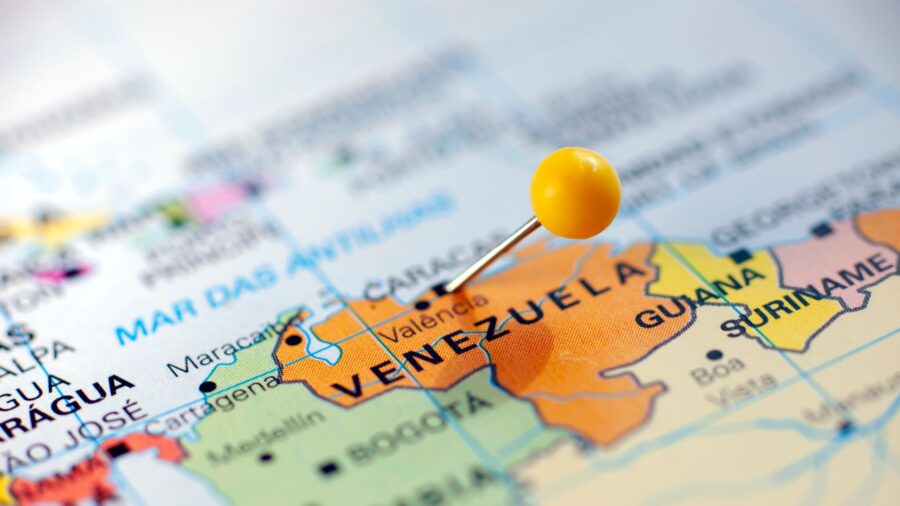
The situation in Venezuela has entered a new and dangerous phase. Political upheaval, economic collapse, and international intervention have intensified instability across the country, pushing more Venezuelans to consider leaving in search of safety, stability, and opportunity.
At the same time, U.S. immigration policies are shifting rapidly. Programs that once offered protection are being limited, enforcement has increased, and many Venezuelans now face uncertainty about their legal status in the United States.
If you are Venezuelan, have family members affected by these events, or are already in the U.S. without clear legal protection, understanding your options has never been more urgent.
What Is Happening in Venezuela Right Now
Recent global developments have dramatically escalated conditions inside Venezuela. International attention has surged following military actions, political arrests, and widespread condemnation from foreign governments. These events come on top of years of existing hardship, including hyperinflation, food and medicine shortages, collapsing public services, and political repression.
For ordinary Venezuelans, daily life has become increasingly unpredictable. Many families are facing threats to their safety, lack of employment, and limited access to basic necessities. As a result, migration pressures are intensifying once again.
Historically, moments like this trigger new waves of displacement, both within Latin America and toward the United States.
How U.S. Immigration Policy Is Changing for Venezuelans
While conditions in Venezuela worsen, the U.S. immigration landscape is becoming more restrictive.
In recent months, the U.S. government has taken steps that directly affect Venezuelan nationals, including tighter asylum standards, increased border enforcement, and changes to humanitarian programs such as parole and Temporary Protected Status. Some legal pathways have been paused, limited, or placed under review, creating confusion for individuals who believed they were protected.
Many Venezuelans are now asking critical questions:
- Can I still apply for asylum
- Is TPS still valid for me
- What happens if my parole expires
- Can I be deported back to Venezuela
Unfortunately, there is no single answer. Each case depends on timing, immigration history, and current legal status.
The Reality for Venezuelans Already in the United States
Thousands of Venezuelans are currently living in the U.S. under temporary or uncertain status. Some entered lawfully and overstayed. Others were paroled in. Many are waiting on asylum cases that could take years to resolve.
Recent enforcement shifts mean that individuals who were previously low priority for removal may now face increased scrutiny. Missing a deadline, misunderstanding a notice, or relying on outdated information can have serious consequences, including detention or deportation.
This is especially dangerous now, given the rapidly evolving situation in Venezuela and the lack of clarity around future protections.
Why Returning to Venezuela May Not Be Safe or Realistic
Given current conditions, return to Venezuela may expose individuals to significant harm. Political instability, shortages, and violence continue to impact everyday life. For some, returning could mean persecution due to political opinion, association, or even perceived opposition.
U.S. immigration law recognizes these risks, but protection is not automatic. Strong legal arguments and well-documented applications are essential.
This is where many people go wrong. Applying without legal guidance or relying on misinformation from social media can permanently damage an immigration case.
Immigration Options That May Still Be Available
Depending on your circumstances, you may still qualify for relief or lawful status, including asylum, withholding of removal, protection under the Convention Against Torture, family-based petitions, humanitarian visas, or other defenses against deportation.
Even individuals already in removal proceedings may have options. The key is acting early and getting accurate legal advice before a mistake is made or an opportunity is lost.
Why Legal Guidance Matters Right Now
Immigration law changes quickly, especially during times of international crisis. What was true six months ago may no longer apply today. Government announcements are often unclear, and enforcement practices can change without warning.
Having an experienced immigration attorney review your situation can make the difference between remaining safely in the U.S. and facing removal to a country in crisis.
Talk to an Immigration Attorney Before It Is Too Late
If you are Venezuelan or have a loved one affected by the current situation, now is the time to get informed and take action. Waiting can limit your options.
An experienced immigration attorney can evaluate your status, explain your rights, and help you build a strategy to protect your future in the United States.
Schedule a confidential consultation today to understand where you stand and what steps you can take next. Your safety, your family, and your future may depend on it.