War is one of the most disruptive forces in human society. Beyond the immediate destruction and loss of life, armed conflicts create long-term humanitarian crises that affect millions of people across borders. One of the most visible consequences of war is forced migration. Families often flee their homes with little warning, seeking safety in other regions or countries.
Understanding how wars affect immigration is essential not only for policymakers and governments but also for communities and individuals. Behind every immigration case is a person who has lost stability, security, and often loved ones. In times of global conflict, immigration systems are not just legal frameworks. They are lifelines for people seeking protection and a chance to rebuild their lives.
War as a Major Cause of Forced Migration
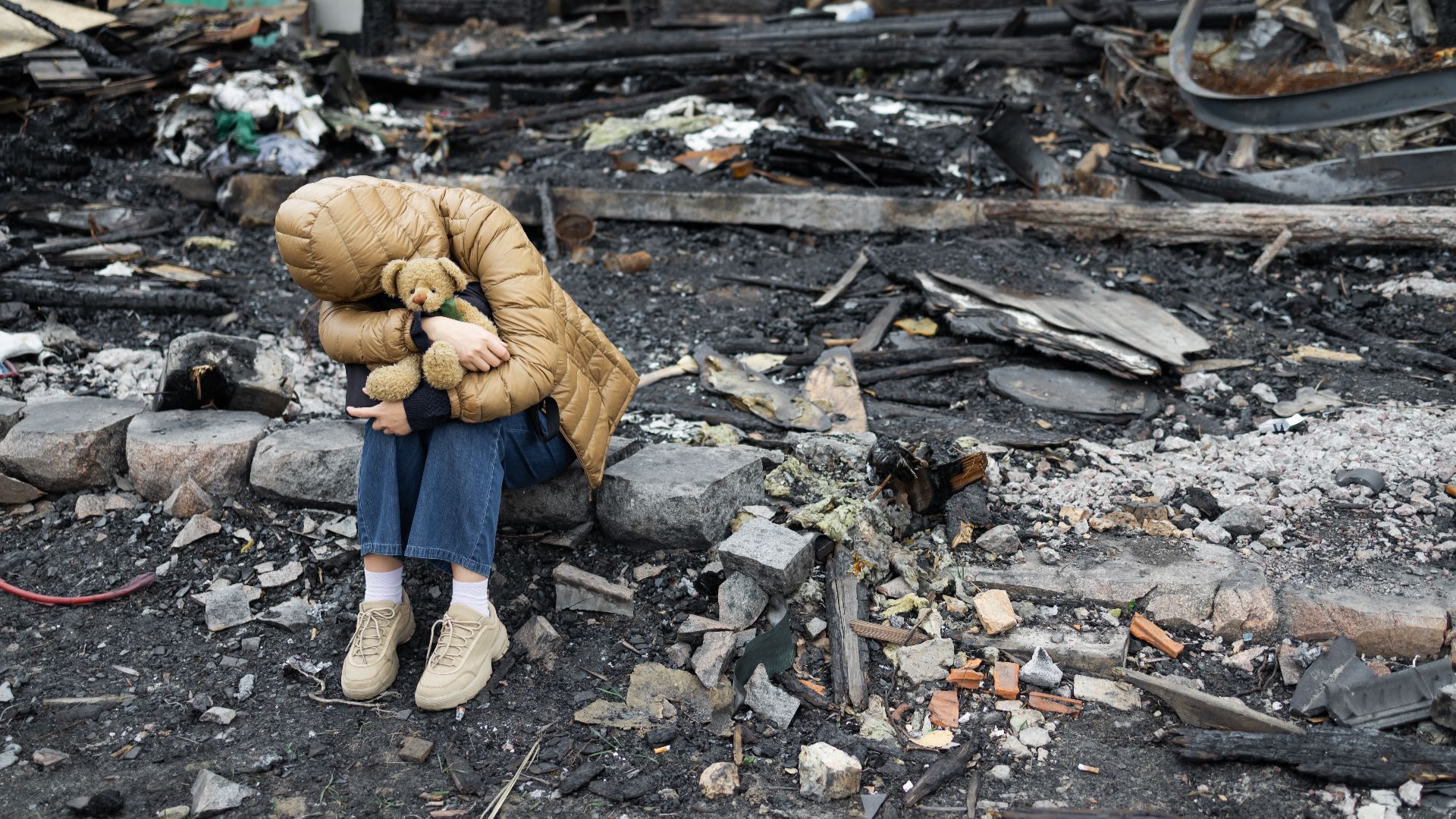
Wars frequently force civilians to abandon their homes and seek safety elsewhere. Violence, persecution, and the collapse of basic infrastructure make everyday life impossible in conflict zones. Schools close, hospitals stop functioning, and law enforcement systems break down. For many families, leaving becomes the only realistic option for survival.
When people flee war, they may become refugees, asylum seekers, or internally displaced persons. Refugees cross international borders to seek protection, while internally displaced persons remain within their home countries but still face extreme instability.
In these situations, people rarely leave voluntarily. Entire communities may be displaced within days or even hours. Homes, businesses, and lifelong possessions are often left behind. For many families, the journey to safety is dangerous and uncertain.
Wars in places such as Syria, Ukraine, and Afghanistan have shown how quickly large populations can be forced to migrate. Millions of people have had to seek protection abroad, reshaping global immigration patterns and placing enormous pressure on international humanitarian systems.
The Impact on Host Countries
When large numbers of people flee war zones, neighboring countries are usually the first to receive them. In many cases, these nations must respond quickly to humanitarian emergencies involving housing, food, medical care, and legal protection.
While host countries may experience pressure on public resources such as schools, healthcare systems, and housing, the situation also presents an opportunity for humanitarian leadership. Nations that open their doors to refugees demonstrate a commitment to protecting human rights and preserving global stability.
Public debate often arises when immigration increases suddenly. Political discussions may focus on border control, economic impact, or social integration. However, it is important to remember that those arriving are not simply migrants seeking opportunity. Many are survivors of war who had no choice but to leave their homes.
A balanced approach requires both practical planning and compassion. Governments must manage resources responsibly while ensuring that those fleeing violence are treated with dignity and respect.
The Long-Term Challenges Immigrants Face
Reaching safety is only the beginning of the journey for many people displaced by war. Once they arrive in a new country, they must navigate unfamiliar legal systems, languages, and cultures.
Legal processes such as asylum applications can take months or even years to resolve. During this time, many individuals live with uncertainty about their future. Access to employment, education, and healthcare may be limited depending on their legal status.
Many war survivors also carry deep emotional trauma. Experiences such as violence, displacement, and separation from family members can lead to long-term mental health challenges, including anxiety, depression, and post-traumatic stress.
Despite these obstacles, many immigrants show remarkable resilience. With proper support and legal protection, they often contribute significantly to their communities. Refugees and asylum seekers start businesses, join workforces, and enrich the cultural and economic fabric of their new homes.
For this reason, it is important for immigration systems and communities to provide support rather than suspicion. When people are given the opportunity to rebuild their lives, they frequently become valuable members of society.
Why Compassionate Immigration Systems Matter
Large-scale displacement caused by war tests the strength and fairness of global immigration systems. Conflicts over the past decade have highlighted gaps in international cooperation and limitations within existing asylum frameworks.
Frontline countries often carry the heaviest burden, while other nations may hesitate to share responsibility. This imbalance raises important questions about fairness, humanitarian obligations, and the role of immigration policy in protecting vulnerable populations.
Immigration systems should aim to balance security with compassion. Efficient asylum procedures, fair legal protections, and coordinated international responses are critical for managing humanitarian crises effectively.
Lawyers, advocates, and immigration professionals also play an important role in this process. Navigating immigration law can be overwhelming for someone who has already experienced war and displacement. Legal guidance can help individuals understand their rights and pursue the protection they need.
At firms such as Rebecca Black Law, P.A., the focus is not only on legal procedures but also on supporting the people behind the cases. Immigration law is ultimately about protecting families, preserving human dignity, and helping individuals find safety and stability in difficult circumstances.
A Shared Responsibility
War-driven migration is not a distant issue that affects only a few countries. In an interconnected world, humanitarian crises have global consequences. The way nations and communities respond reflects their values and their commitment to human rights.
People who flee war are not statistics or political talking points. They are parents trying to protect their children, students hoping to continue their education, and families searching for a place where they can live without fear.
Providing support, understanding, and legal protection to those displaced by conflict is not simply an act of charity. It is an investment in stability, justice, and humanity.
Final Thoughts
Wars may begin on battlefields, but their impact spreads far beyond national borders. One of the most lasting consequences of conflict is the displacement of millions of people who must rebuild their lives in unfamiliar places.
While the challenges of immigration systems and host communities are real, so is the opportunity to show compassion and leadership. By strengthening immigration policies and supporting those fleeing violence, societies can help restore hope to people who have lost nearly everything.
In moments of crisis, the response of the global community matters. Offering help, guidance, and protection can make the difference between continued hardship and the chance for a new beginning.