
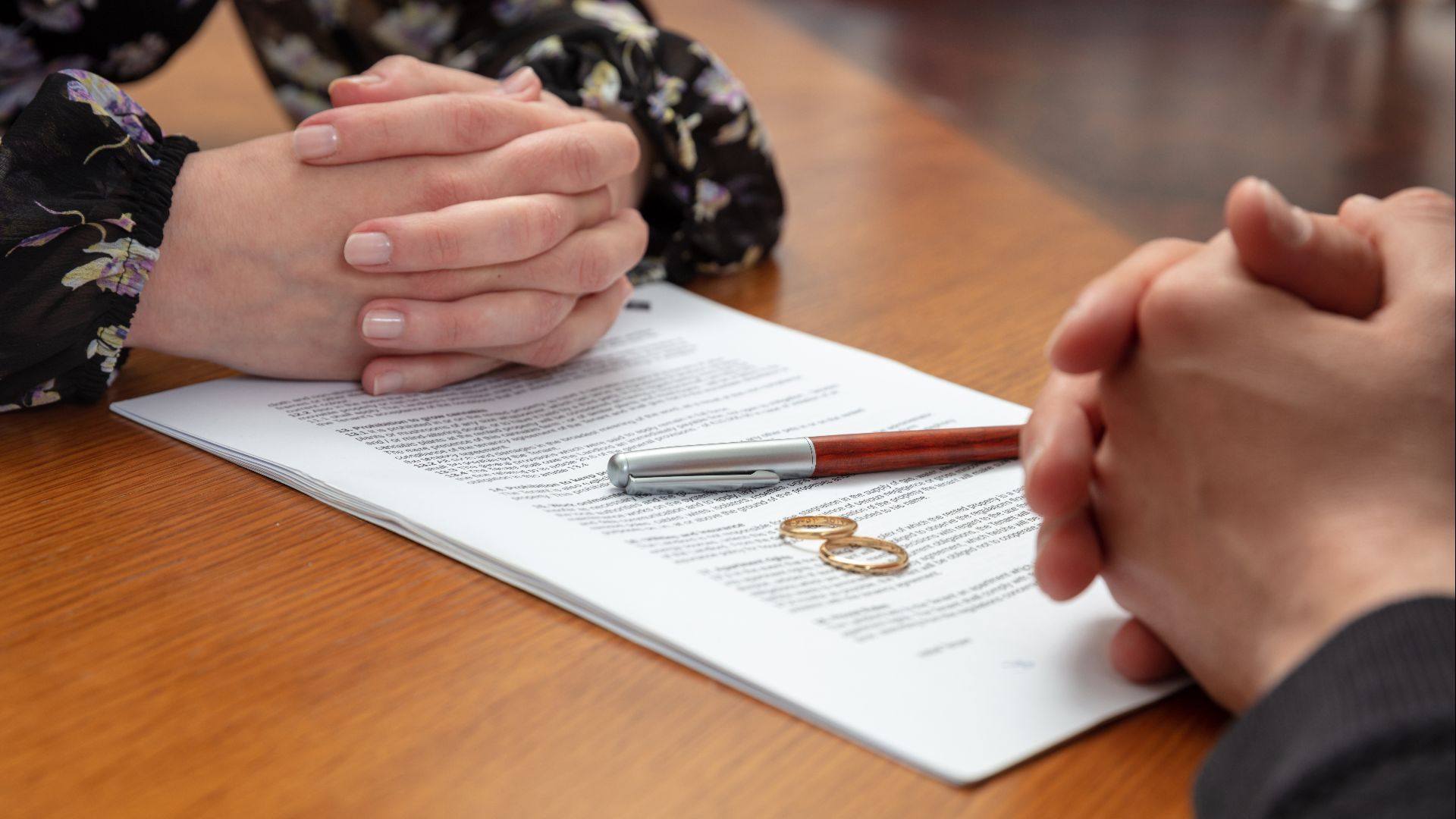
Divorce can be emotionally and legally complex. When immigration status is tied to a marriage, the situation becomes even more complicated. Many immigrants worry that ending a marriage will automatically lead to losing their legal status in the United States. In reality, the outcome depends on several factors, including the stage of the immigration process and the type of visa or green card involved.
Understanding how divorce affects immigration status can help individuals make informed decisions and protect their rights.
Marriage-Based Immigration and Conditional Green Cards
Many immigrants obtain lawful permanent residency through marriage to a U.S. citizen or lawful permanent resident. If the marriage is less than two years old at the time permanent residency is granted, the immigrant usually receives a conditional green card valid for two years.
To convert this conditional status into a permanent green card, both spouses typically must file a joint petition with U.S. Citizenship and Immigration Services (USCIS). However, divorce can complicate this process.
If the marriage ends before the conditions are removed, the immigrant may still apply for a waiver of the joint filing requirement. The applicant must demonstrate that the marriage was entered into in good faith and not solely for immigration purposes. Evidence such as shared finances, joint leases, photographs, and affidavits from friends or family can help support this claim.
Divorce Before a Green Card Is Approved
Divorce can have a significant impact if it occurs while a marriage-based green card application is still pending. In most cases, the immigration petition filed by the U.S. citizen spouse will no longer be valid once the marriage ends.
This means the immigrant may need to pursue another immigration path, such as:
-
Employment-based immigration
-
Family sponsorship from another qualifying relative
-
Humanitarian protections such as asylum or VAWA self-petitions
Each case is different, and immigration authorities closely examine whether the marriage was legitimate.
Divorce After Receiving a Permanent Green Card
If the immigrant has already obtained a permanent (10-year) green card, divorce usually does not affect their immigration status. Lawful permanent residency remains valid as long as the individual complies with immigration laws.
However, divorce can still affect eligibility for U.S. citizenship. For example, someone married to a U.S. citizen may qualify for naturalization after three years. If the marriage ends, the individual generally must wait the standard five-year period before applying for citizenship.
Special Protections for Victims of Abuse
Immigrants in abusive marriages may qualify for protections under the Violence Against Women Act (VAWA). This law allows certain spouses of U.S. citizens or permanent residents to file a self-petition for immigration benefits without the abuser’s involvement.
These provisions are designed to prevent immigrants from feeling trapped in abusive relationships due to fear of losing their legal status.
Proving a Good Faith Marriage
One of the most important issues in immigration cases involving divorce is proving that the marriage was genuine. Immigration authorities look at whether the couple intended to build a life together at the time of the marriage.
Common evidence used to show a good faith marriage includes:
-
Joint bank accounts and financial records
-
Lease agreements or property ownership
-
Insurance policies listing each other as beneficiaries
-
Photographs and communication records
-
Statements from friends and family
Providing thorough documentation can significantly strengthen an immigration case after divorce.
Why Legal Guidance Is Important
Immigration law is complex, and divorce introduces additional legal considerations. A knowledgeable immigration attorney can evaluate the specific circumstances of a case and identify possible options for maintaining lawful status in the United States.
Final Thoughts
Divorce does not automatically end a person’s immigration journey in the United States, but it can change the legal path forward. The effect depends on when the divorce occurs and what type of immigration benefit is involved.
For individuals facing both immigration issues and marital separation, understanding the legal options available is critical. With the right guidance and documentation, it is often possible to continue pursuing lawful status and long-term stability in the United States.