
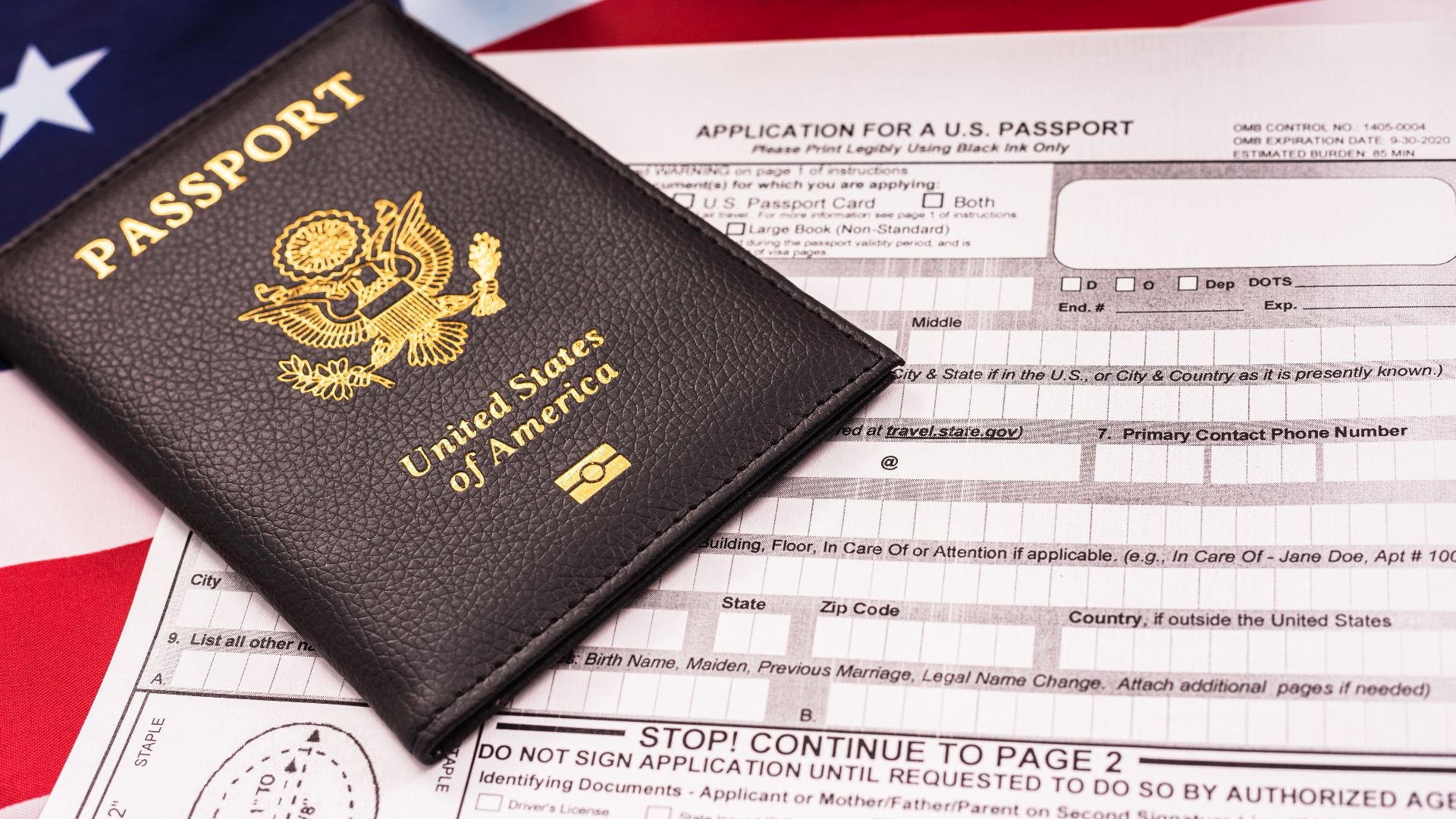
Emigration is the act of leaving one country to live in another. Immigration is the process of entering and settling in the new country. For someone planning to move to the United States, both words may describe different sides of the same journey. You may be emigrating from your home country, but under U.S. law, you are also trying to immigrate to the United States through a lawful visa, green card, asylum claim, family petition, employment case, or another immigration pathway.
This distinction matters because moving to another country is not just a personal decision. It is also a legal process. A person may leave their country for family, work, education, safety, opportunity, or long-term stability, but the United States government will still look at eligibility, admissibility, documentation, immigration history, criminal history, financial sponsorship, and whether the person qualifies under a specific immigration category.
At Rebecca Black Law, P.A., we help individuals and families understand the legal side of emigration and immigration so they can make informed decisions before filing applications, attending interviews, or making life-changing moves. Whether you are trying to bring a spouse to the United States, apply for a green card, seek asylum, pursue a work visa, or defend yourself in removal proceedings, the right strategy can make a major difference.
What Is Emigration?
Emigration means leaving your country of residence to live somewhere else. For example, a person who leaves Colombia, India, Haiti, Mexico, Venezuela, the Philippines, or another country to settle in the United States is emigrating from that country. From the U.S. perspective, that same person is immigrating to the United States.
People emigrate for many reasons. Some move to reunite with family members. Others leave for better employment opportunities, education, business growth, medical care, marriage, religious freedom, political safety, or protection from violence. In some cases, emigration is planned over months or years. In other cases, people leave quickly because conditions in their home country have become unsafe or unstable.
The legal issue is that desire alone does not create permission to live in the United States. U.S. immigration law requires a person to qualify under a specific legal category. That may involve a temporary visa, an immigrant visa, adjustment of status, asylum, naturalization later in the process, or another form of immigration relief.
Emigration vs. Immigration: Why the Difference Matters
The word emigration focuses on departure. The word immigration focuses on entry and settlement. This difference may sound academic, but it matters in legal planning because leaving one country does not automatically give someone permission to enter or remain in another.
A person may be free to leave their country but still need a valid visa to enter the United States. A person may be admitted temporarily as a visitor, student, or worker but still not have permission to remain permanently. A person may marry a U.S. citizen but still need to complete the correct immigration process before receiving lawful permanent residence. A person may fear returning home but still need to prove eligibility for asylum or another form of protection.
This is why emigration planning should include immigration planning. Before leaving your country, overstaying a visa, accepting work, marrying, filing forms, or traveling internationally, it is important to understand how each step may affect your future immigration options.
Common Legal Pathways for Moving to the United States
There is no single “emigration visa” for the United States. Instead, people move to the U.S. through different immigration categories depending on their facts. Some people qualify through family. Others qualify through work, investment, humanitarian protection, or later through naturalization after becoming lawful permanent residents.
For many families, the process starts with family immigration. A U.S. citizen or lawful permanent resident may be able to petition for certain relatives, including a spouse, child, parent, or sibling, depending on the petitioner’s status and the family relationship. Family-based immigration can involve consular processing abroad or adjustment of status inside the United States, depending on eligibility.
For workers, professionals, investors, and employers, the process may involve business immigration or employment-based visas. Some people begin with a temporary work visa and later pursue permanent residence. Others may qualify for an employment-based green card, investor visa, or other work-related option.
For people fleeing persecution or danger, the process may involve refugees and asylum. Asylum is not simply based on hardship or poverty. It generally requires a fear of persecution tied to a protected ground, such as race, religion, nationality, political opinion, or membership in a particular social group. USCIS provides information on asylum and Form I-589 through its official asylum resources.
For people who want permanent residence, the goal may be a green card. A green card allows a person to live and work permanently in the United States, but the process depends heavily on the category, immigration history, admissibility issues, and whether the person applies from inside or outside the United States. USCIS provides general information about green card eligibility on its official Green Card Eligibility Categories page.
Temporary Visas vs. Permanent Immigration
Many people confuse temporary visas with permanent immigration. A temporary visa may allow someone to visit, study, work, invest, or participate in a specific activity in the United States for a limited period. It does not automatically lead to a green card.
For example, a visitor visa may allow someone to enter the United States for tourism or certain business activities, but it does not authorize long-term residence or unauthorized employment. A student visa may allow study, but the person must follow the rules of that status. A work visa may authorize employment for a specific employer or purpose, but the person may still need a separate process to become a permanent resident.
If your long-term goal is to live permanently in the United States, it is important to choose a strategy that fits that goal. The visas available to you may depend on your nationality, education, job offer, family relationship, financial resources, immigration history, and timing. A mistake at the temporary visa stage can create problems later when applying for a green card.
Family-Based Emigration to the United States
Family-based immigration is one of the most common ways people move permanently to the United States. A U.S. citizen may petition for a spouse, unmarried child under 21, parent, married or unmarried adult child, or sibling. A lawful permanent resident may petition for a spouse or unmarried child. The category matters because some relatives are considered immediate relatives while others fall into preference categories that may involve long waits.
Marriage-based immigration is especially common, but it is also closely reviewed. USCIS and consular officers may examine whether the marriage is real, whether the couple has shared evidence of life together, and whether there are prior immigration issues. If a person entered the United States on one type of visa and later seeks a marriage-based green card, timing and intent can become important.
Family immigration should be handled carefully because the petition is only one part of the case. The foreign national may also need to prove admissibility, provide civil documents, complete medical examination requirements, attend an interview, and address any unlawful presence, criminal history, prior removal orders, or misrepresentation concerns.
Employment and Business Immigration
Some people emigrate because of employment opportunities, entrepreneurship, professional advancement, or investment. U.S. immigration law includes several employment and business-related options, but each has specific requirements.
An employer may need to sponsor a worker for a particular visa category. Some employment-based green cards require labor certification, while others may be available to individuals with extraordinary ability, advanced degrees, national interest work, or investment-based qualifications. Investors and entrepreneurs may need to show the source of funds, business structure, job creation, treaty nationality, or other evidence depending on the visa category.
Business immigration can be document-heavy and strategy-sensitive. The government may look closely at the job offer, company structure, qualifications, wages, business plan, ownership, and whether the application fits the legal category. For employers, compliance also matters. Hiring foreign workers without understanding immigration rules can create problems for both the company and the employee.
Consular Processing: Applying From Outside the United States
Many people who are emigrating to the United States apply through consular processing. This usually means the person remains outside the United States and completes the immigrant visa process through the U.S. Department of State and a U.S. embassy or consulate abroad. The Department of State outlines the general steps of the immigrant visa process, including petition approval, National Visa Center processing, financial documents, civil documents, the DS-260 immigrant visa application, and the consular interview.
Consular processing can be appropriate for people who are outside the United States or who are not eligible to adjust status inside the United States. However, it must be planned carefully. A person who has unlawful presence, a prior deportation order, criminal history, fraud allegations, or certain immigration violations may trigger inadmissibility issues when they leave or attend the interview.
Before leaving the United States for consular processing, it is important to understand whether a waiver may be needed. Some people leave expecting a routine interview and then discover they are barred from returning unless a waiver is approved. This is one reason legal advice before travel can be critical.
Adjustment of Status: Applying From Inside the United States
Some people may be eligible for adjustment of status, which allows them to apply for a green card from inside the United States without leaving for consular processing. Adjustment of status is not available to everyone. Eligibility can depend on how the person entered the United States, whether they were inspected and admitted or paroled, whether they maintained lawful status, whether they are an immediate relative of a U.S. citizen, and whether any inadmissibility issues apply.
Adjustment of status can be convenient because the applicant may be able to remain in the United States while the case is pending. In many cases, the applicant may also apply for work authorization and advance parole, although travel should never be assumed safe without legal review.
The risk is that people sometimes file adjustment applications without understanding whether they are actually eligible. If USCIS denies the application, the person may lose time, money, and in some situations may face removal proceedings. Filing correctly matters.
Asylum and Humanitarian Protection
Some people emigrate because returning home is dangerous. If a person is already in the United States and fears persecution in their home country, asylum may be an option. USCIS states that asylum applications are generally filed on Form I-589, Application for Asylum and for Withholding of Removal, and asylum seekers should pay close attention to filing deadlines and eligibility requirements.
Asylum is different from general immigration hardship. A person usually must show that they suffered persecution or have a well-founded fear of future persecution because of a protected ground. Evidence may include personal declarations, country condition reports, police reports, medical records, witness statements, threats, political activity, religious identity, membership in a targeted group, or other proof.
Asylum cases are deeply fact-specific. A strong case is not only about telling a painful story. It is about connecting the facts to the legal standard and presenting evidence in a way the government can evaluate. If a person is already in removal proceedings, the case may be defensive asylum before an immigration judge rather than affirmative asylum with USCIS.
Deportation, Removal, and Emigration Risks
Not every immigration journey goes as planned. A person may enter the United States lawfully but later fall out of status. Someone may be placed in removal proceedings after an arrest, a visa overstay, a denied application, a border encounter, or a prior immigration violation. In those situations, the issue is no longer only how to immigrate. The immediate question may be how to avoid deportation.
Deportation and removal defense can involve bond hearings, asylum, cancellation of removal, adjustment of status before the immigration court, waivers, motions to reopen, appeals, or other forms of relief. The right defense depends on the person’s history, family ties, time in the United States, criminal record, fear of return, and available forms of relief.
One major mistake is assuming that leaving the United States will solve the problem. In some cases, departing can trigger reentry bars, make a prior order harder to fix, or separate families for years. Before making any decision to leave the country, a person should understand the legal consequences.
Green Cards and Long-Term Stability
For many people, the goal of emigration to the United States is permanent residence. A green card provides lawful permanent resident status, which allows a person to live and work in the United States permanently, subject to certain rules and responsibilities.
There are several ways to obtain a green card, including family-based petitions, employment-based petitions, asylum-based adjustment, special immigrant categories, and other legal pathways. The process may involve USCIS, the National Visa Center, the Department of State, a consulate, or the immigration court, depending on the case.
Green card applicants must also be admissible to the United States. Inadmissibility issues can include certain criminal convictions, fraud or misrepresentation, unlawful presence, prior removal, health-related grounds, public charge concerns in certain cases, and other legal bars. Some grounds may be waivable. Others may not. This is why green card planning should involve more than filling out forms.
Naturalization After Immigration
Emigration to the United States may eventually lead to U.S. citizenship, but citizenship is usually not the first step. Most people must first become lawful permanent residents, maintain that status, satisfy residence and physical presence requirements, demonstrate good moral character, pass English and civics requirements unless exempt, and complete the naturalization process.
USCIS explains that naturalization is the process by which U.S. citizenship is granted to a lawful permanent resident after meeting legal requirements. Applicants generally use Form N-400, and USCIS provides official information through its Apply for Naturalization page.
Naturalization can provide important benefits, including voting rights, a U.S. passport, stronger protection from removal, and expanded ability to petition for certain family members. However, naturalization applications can also expose old immigration issues, criminal history, tax problems, child support issues, travel issues, or questions about how the green card was obtained. For that reason, it is often wise to review the full immigration history before applying.
Documents You May Need When Planning to Emigrate
The documents needed for U.S. immigration depend on the type of case, but most applicants should expect to gather identity documents, passports, birth certificates, marriage certificates, divorce decrees, police certificates, financial records, tax documents, immigration notices, prior visa records, entry and exit history, court records, and evidence supporting the specific application.
Family cases may require proof of the relationship and proof of the sponsor’s immigration status. Marriage cases may require evidence of a real marriage, such as joint financial records, lease agreements, photographs, communication history, insurance documents, travel records, affidavits, and evidence of shared life. Employment cases may require degrees, transcripts, licenses, experience letters, job offers, company records, payroll evidence, or business plans.
Asylum cases may require a personal declaration, evidence of threats or harm, country conditions, medical or psychological records, police reports, news articles, witness statements, or proof of political, religious, social, or ethnic identity. Waiver cases may require detailed hardship evidence involving qualifying relatives.
Good documentation can make a case stronger. Poor documentation can lead to delays, Requests for Evidence, denials, or unnecessary complications.
Common Mistakes People Make When Moving to the United States
One common mistake is choosing the wrong visa category. A person may apply for a visitor visa when their true goal is to live permanently in the United States, creating potential problems later. Another mistake is assuming that marriage to a U.S. citizen automatically fixes every immigration issue. Marriage can create eligibility for certain benefits, but it does not erase all grounds of inadmissibility or prior immigration violations.
Another serious mistake is leaving the United States without understanding reentry bars. If a person has accrued unlawful presence, has a prior removal order, or has other immigration violations, departure may trigger major consequences. Some people also file applications without reviewing past statements made to USCIS, the Department of State, Customs and Border Protection, or immigration court. Inconsistencies can create credibility problems or allegations of misrepresentation.
People also make mistakes by relying on advice from friends, social media, notarios, or people who had different facts. Immigration law is highly fact-specific. What worked for one person may be dangerous for another.
When Should You Talk to an Immigration Lawyer?
You should consider speaking with an immigration lawyer before filing if you have any prior visa denials, overstays, unauthorized employment, criminal history, prior deportation or removal orders, false statements on immigration forms, prior marriages, complicated family relationships, entry without inspection, asylum concerns, or urgent travel plans.
Legal advice is also important if you are deciding between consular processing and adjustment of status, applying for a waiver, responding to a Request for Evidence, preparing for a marriage interview, applying for asylum, or seeking naturalization after a complicated immigration history.
A lawyer cannot guarantee approval, but the right legal guidance can help identify risks, organize evidence, choose the correct pathway, and avoid mistakes that could harm your future.
How We Help With Emigration and U.S. Immigration Planning
At Rebecca Black Law, P.A., we help clients understand their immigration options and build a strategy based on their actual facts. We do not treat immigration as a paperwork-only process. We look at the person’s history, goals, family circumstances, immigration record, travel plans, and risks before recommending a path forward.
We assist with family immigration, visas, green cards, adjustment of status, consular processing, asylum, deportation defense, employment and business immigration, waivers, and naturalization. For clients in Jacksonville, throughout Florida, across the United States, or abroad, we can help evaluate the case and explain what steps may be available.
Emigration is a major life decision. Immigration law determines whether that decision can become a lawful and stable future in the United States. If you are planning to move, sponsor a loved one, defend your status, or apply for permanent residence, getting legal guidance early can help protect your family, your future, and your peace of mind.
Frequently Asked Questions About Emigration and U.S. Immigration
What is the difference between emigration and immigration?
Emigration means leaving one country to live in another. Immigration means entering and settling in the destination country. If you leave your home country to live in the United States, you are emigrating from your country and immigrating to the United States.
Do I need a visa to emigrate to the United States?
In most cases, yes. The type of visa or immigration process depends on your reason for moving. Some people come through family, employment, investment, education, asylum, or another legal category.
Can I move to the United States permanently with a tourist visa?
A tourist visa is generally for temporary visits, not permanent residence. Using a visitor visa with the wrong intent can create serious immigration problems. If your goal is to live permanently in the United States, you should review proper immigrant visa or green card options.
Can a family member sponsor me for immigration?
Possibly. U.S. citizens and lawful permanent residents can sponsor certain family members, but eligibility depends on the relationship and the sponsor’s status. Some family categories move faster than others.
Is consular processing safer than adjustment of status?
Neither option is automatically safer. Consular processing may be required for some people, while adjustment of status may be available to others. The best option depends on your entry history, current status, inadmissibility issues, family relationship, and immigration goals.
Can I apply for asylum if I already left my country?
A person generally applies for asylum after being physically present in the United States or at a port of entry. Asylum eligibility depends on fear of persecution connected to a protected ground, not simply general hardship or desire for better opportunities.
Can I work in the United States while my immigration case is pending?
Only if you have valid work authorization. Some pending applications allow a person to apply for employment authorization, but not all do. Working without authorization can create immigration consequences.
Can I become a U.S. citizen after emigrating to the United States?
Many people can eventually apply for naturalization after becoming lawful permanent residents and meeting eligibility requirements. The timeline depends on the person’s green card category, residence history, moral character, travel, and other factors.
What if I overstayed a visa before applying for a green card?
A visa overstay may or may not prevent a green card, depending on the facts. Immediate relatives of U.S. citizens may have certain options, but unlawful presence can create serious problems, especially if the person leaves the United States. Legal review is important before filing or traveling.
Should I speak with a lawyer before leaving the United States for an immigrant visa interview?
Yes, especially if you have unlawful presence, criminal history, prior deportation, visa fraud concerns, or any past immigration violations. Leaving the United States can trigger bars that may prevent you from returning unless a waiver is available and approved.
Planning Your Future in the United States
Emigration is more than relocation. It is a legal transition that can affect your family, work, safety, finances, and long-term future. The United States offers many immigration pathways, but each path has rules, deadlines, risks, and documentation requirements.
Before you file forms, leave the country, attend an interview, or rely on informal advice, take time to understand your options. A well-planned immigration strategy can help you avoid unnecessary delays and protect your ability to build a stable life in the United States.
If you are considering emigration to the United States or need help with a family petition, visa, green card, asylum claim, waiver, removal defense case, or naturalization application, contact Rebecca Black Law, P.A. to schedule a consultation.